Guastalla
In its streets, palaces, churches, monuments, Guastalla retains the discreet charm of an ancient capital.
Inhabited since the Etruscan times, Guastalla experienced moments of authentic splendor under the dynasty of the Gonzaga and in its 200 years of domination it became the capital of the duchy and the seat of the mint where money was made. His nobility rivaled the other Italian courts for opulence and splendor, hosting artists such as Campi and Guercino and poets like Tasso and Guarini.
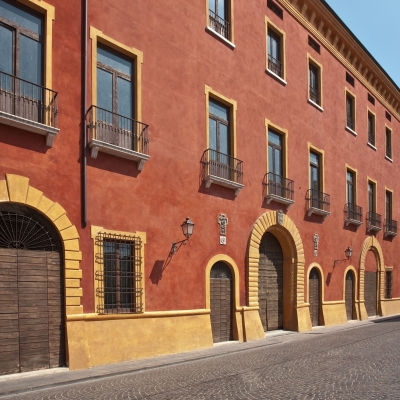
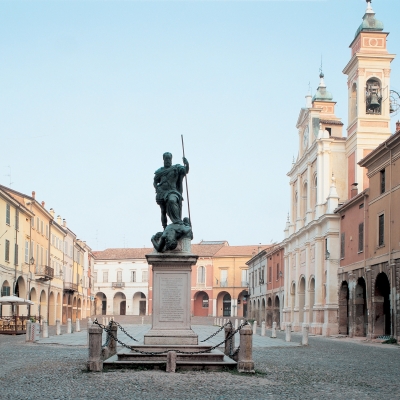
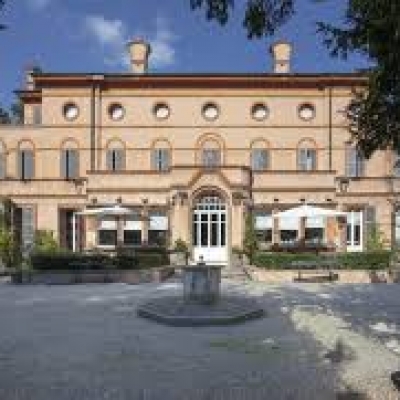
The ancient road Gonzaga, a system of checkered streets, leads to Piazza Mazzini, the heart of the city, dominated by the beautiful statue of Ferrante Gonzaga, by Leone Leoni. Overlooking the square is the 16th century Ducal Palace, which houses the Cittadino Museum, the Duomo with a facade from the end of the 19th century, and the Town Hall which houses the ancient units of measurement in the portico. From the square, along the fifteenth-century arcades of Corso Garibaldi, one arrives at the Maldotti Library and its collection of ancient manuscripts and paintings.
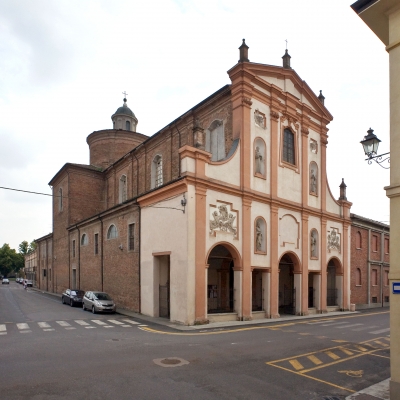
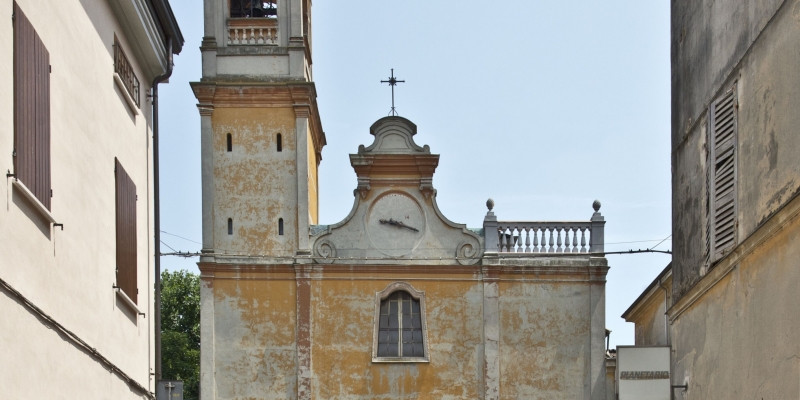
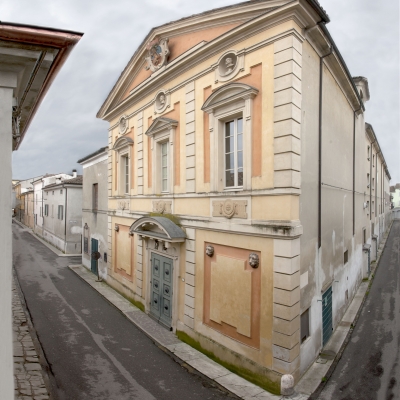
In the churches of the Cross, of the Annunciation and of the Servants, you can admire beautiful eighteenth-century altarpieces in polychrome scagliola. From Piazza Garibaldi, along via Verdi you get to the Teatro Comunale in neoclassical style, dating back to 1671. Very fascinating is the Civic Tower called affectionately Campanón that exceeds 40 meters.
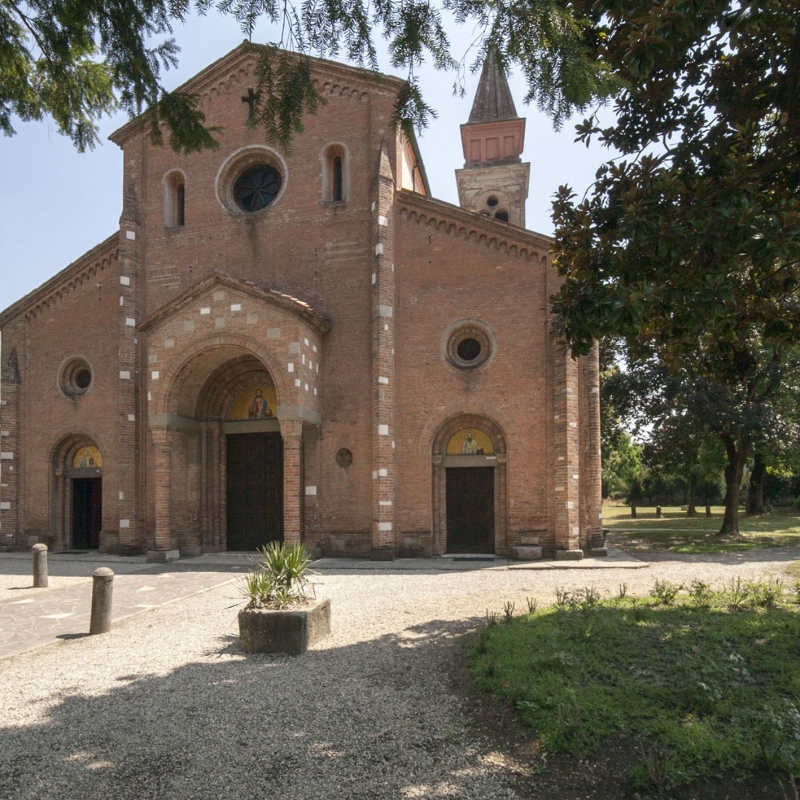
In the municipal territory of Guastalla there is the Romanesque Basilica of San Pietro and Paolo di Pieve di Guastalla, one of the oldest religious buildings in the entire province. Built originally before the tenth century, it houses an ancient baptismal font (ninth or tenth century) and a painted terracotta depicting the Madonna and Child, perhaps the work of the sculptor Guido Mazzoni.